

We must explain to you how all seds this mistakens idea off denouncing pleasures and praising pain was born and I will give you a completed accounts off the system and expound.
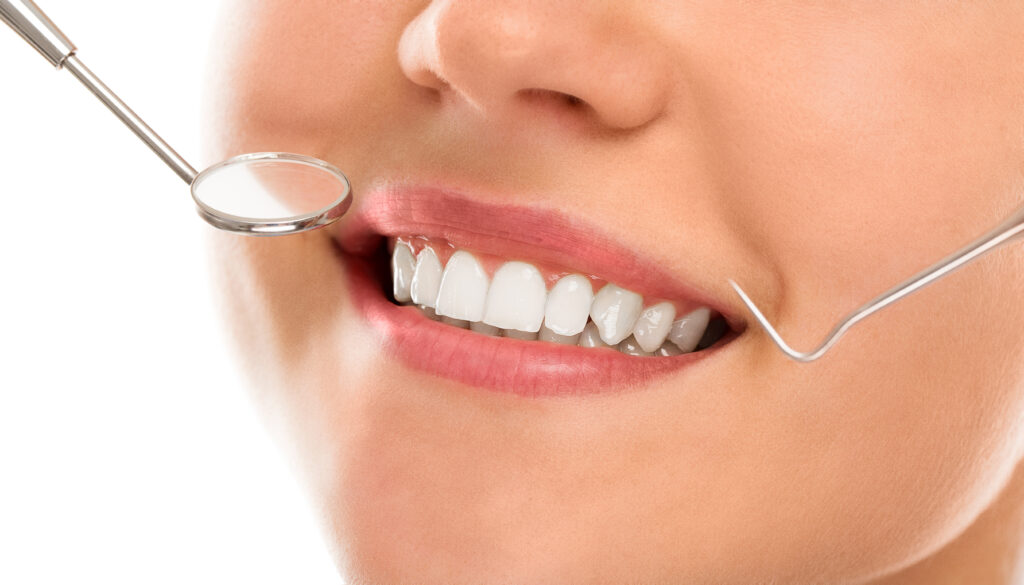
What is tooth whitening?
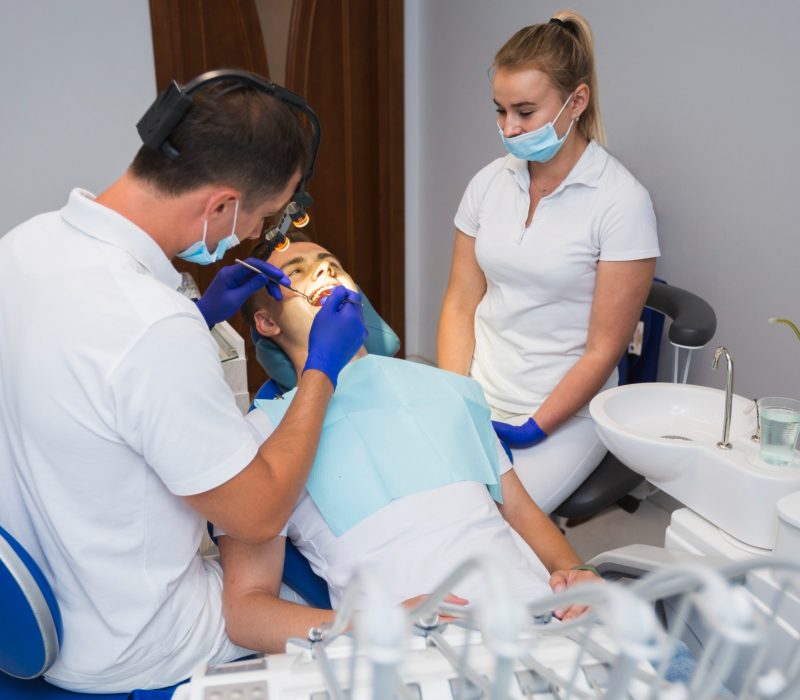
Dental Crown And Dental Bridge
What is tooth discoloration and types of tooth discoloration?
Tooth discoloration is a change in the color of the teeth that might involve the entire surface of the tooth or look like dark lines or spots on the surface of the teeth. There are two type of tooth discolorations:
1. Intrinsic discoloration: Intrinsic stains develop due to changes that develop inside the tooth and affect the dentine (second layer of the tooth-beneath the enamel). They can be caused by factors such as tooth injuries, aging, health conditions and due to certain medications such as tetracycline.
2. Extrinsic discoloration: Extrinsic stains affect the outer layer of the tooth or the enamel. They can be caused by certain factors such as stained food items such as tea, coffee, red wine, cola, tobacco products and excessive use of anti-bacterial plaque inhibiting mouthwashes.
When is tooth whitening recommended?
Types of Teeth Whitening
1. In-office or Professional Teeth Whitening:
This procedure is carried out by a dental professional in a clinical set up using a professional-grade bleaching gel containing hydrogen peroxide.
Steps of Professional Tooth Whitening Procedure in the dental clinic:
1. Initial consultation: During this visit, the dentist will clinically examine the status of the teeth, type of the stains (intrinsic or extrinsic) present. After this evaluation, the decision is made whether one is a suitable candidate for tooth whitening procedure.

2. Cleaning and Preparation: Teeth are cleaned using ultrasonic scalers and stains or calculus if present are removed from the surface of the teeth. For preparation, a protective barrier such as a protective gel or rubber shield is applied to protect the gums from the bleaching agent.
3. Application of tooth-whitening agent: Before the application of the whitening gel, a suitable matching shade to your teeth is selected for even results. The bleaching agent usually hydrogen peroxide is used which is then activated using a special light.
4. Multiple sessions: This process can be repeated by the dentist in the next visit until the desired result is achieved.
5. Final rinse and tooth polishing: The gel is rinsed off from the surface of the teeth and then polishing is done to complete the process.
Post-tooth whitening care instructions:
2. At-Home Tooth whitening:
At-home tooth whitening is a cost-effective option and is effective only for correcting mild stains and maintenance. The results might not be as accurate as achieved in a dental clinic. This method should be used carefully as it might cause gum irritation.
Various options that are available for at-home tooth whitening:
-Over-the-counter whitening strips and gels: These strips or gel should be applied carefully on the surface of the teeth and at a particular time daily as recommended by the dentist. The desired results are achieved in 1-2 weeks.
-Custom-made trays made by the dentist: The tooth whitening gel is placed in the trays and these trays must be worn for a few hours daily for getting desired results.
What is the duration of the tooth whitening procedure in the dental clinic?
In-office whitening takes about 1–2 hours for one session. Multiple visits might be required depending on the severity of the stains and the desired result that one wants to achieve.
FAQ’s of Tooth Whitening :
Results can last 6 months to 2 years with proper oral care and avoiding staining foods.
The procedure is painless, but some people may experience temporary sensitivity after whitening.
Yes, when performed by a professional dentist, it is safe and effective.
Tooth whitening is not recommended for pregnant women, children under 16, or individuals with gum disease or tooth decay.
Most patients see an improvement of 3–8 shades after in-office whitening.
It is highly effective for surface stains but may not completely remove deep intrinsic stains.
The first visit should be by the age of 1 or when the first tooth erupts.
Primary teeth or milk teeth erupt about six months to two years of age. Number of teeth present 20. Permanent teeth or adult teeth erupt from age of 6 to age of 21. Number of teeth presents in human are 32.
Regular brushing, flossing, fluoride treatments, and limiting sugary snacks help prevent cavities.
Yes, a pulpectomy (kids’ root canal) is safe and helps save the tooth from infection.
Rinse the mouth, try to find the broken piece, and visit a paediatric emergency dentist in Bangalore immediately.
Yes, if continued beyond age 4, it can cause misalignment. A dentist can suggest ways to stop the habit.
Yes, they guide permanent teeth into position. Losing them too early can cause alignment problems.
Every 6 months for regular check-ups and preventive care.
Tooth decay occur when foods containing carbohydrates, such as milk, cake, bread, fruit juices, soda, and candy, are consumed. The bacteria in the mouth break down these foods, producing acid that harms the tooth enamel and leads to cavities or holes in the teeth.
High sugar and starch in diet, Poor oral hygiene, less salivary flow than normal, Less fluoride in drinking water, milk feeding by bottle at night, Mouth breathing, Crowding or irregular teeth (makes cleaning difficult).
White spots and light brown cavities are seen on the tooth, but as the cavity becomes deeper, it turns from brown to black. The symptoms of tooth decay can vary from child to child, and cavities don't always cause symptoms. Tooth sensitivity, especially to sweets and hot or cold drinks. Pian in and around the teeth.