

We must explain to you how all seds this mistakens idea off denouncing pleasures and praising pain was born and I will give you a completed accounts off the system and expound.
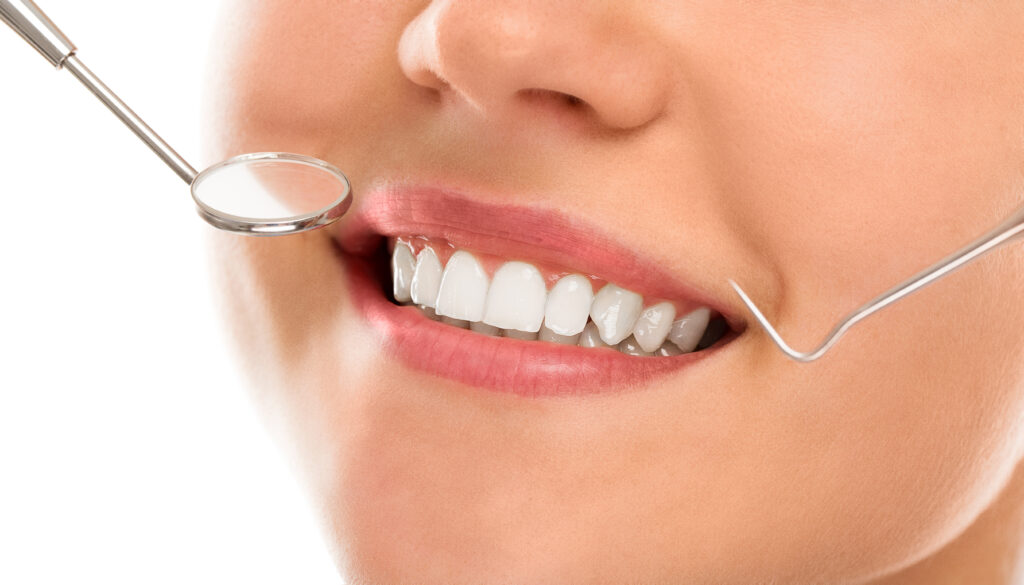
Dental braces are orthodontic devices that are used to correct alignment of the teeth and bite issues, and improve overall oral health in many ways such as improve chewing, speech and jaw alignment. Dental braces work by application of gentle pressure that gradually moves the teeth into their ideal position.
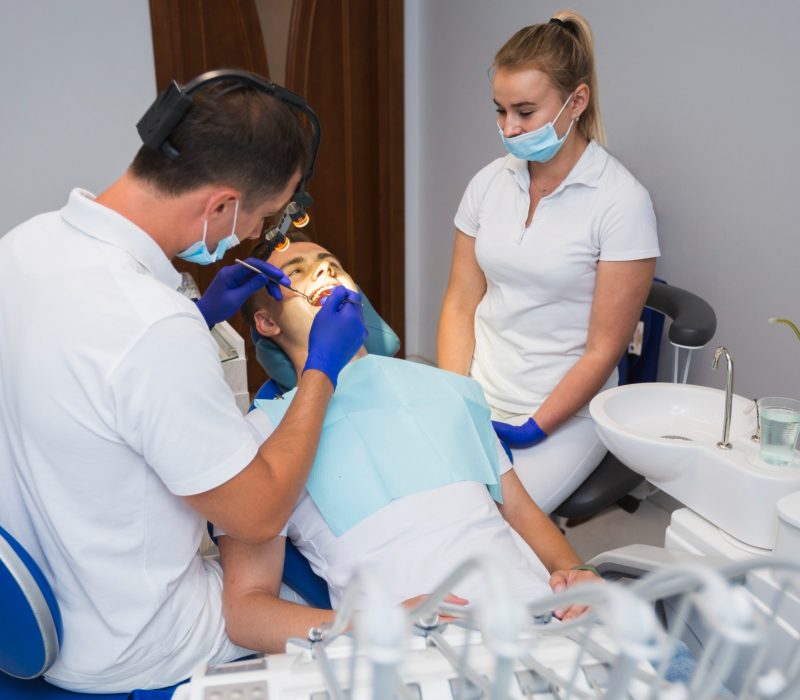
Dental Crown And Dental Bridge
An orthodontist may recommend braces not only to improve the aesthetics/smile but also for maintaining the dental health for long term. Braces may be recommended under following conditions:
Various of braces available in India according to the patients need, preferences and budget are as follows:

Metal braces are made of high-grade stainless-steel metal and are the most time-tested braces till now. These are affordable, most used and consist of brackets and wires that guide the teeth into proper alignment.
• Pros: Affordable, highly effective for all types of dental misalignments.
• Cons: Visible, causes difficulty in chewing food and non-aesthetic choice.
These braces are made from tooth-colored material and produce the same effects as stainless steel braces.
• Pros: Aesthetically pleasing, ideal for older teens and adults.
• Cons: Slightly more expensive and may stain without proper care.
These braces are not visible on the outer side of the teeth as they are placed on the inner (lingual) side of the teeth.
• Pros: Hidden from view, suitable for professionals and those in public-facing roles.
• Cons: these braces are difficult to get adjusted to and may be difficult to clean.
These are custom-made, removable, and transparent aligners/ trays that fit snugly over the teeth. Each of the aligners are worn for a specific period, usually they are changed every 1–2 weeks and gradually shifts the teeth into alignment.
• Pros: Virtually invisible, removable, comfortable, faster results as compared to traditional braces.
• Cons: More expensive than traditional braces. They are suitable only for treating mild to moderate tooth misalignment and not suitable for severe cases of bite alignment and vertical tooth alignment.
Braces Placement Procedure – Step-by-Step Guide
1. Initial Orthodontic Consultation
In the first visit, during consultation, an orthodontist will assess the condition of the teeth and the jaw with help of clinical, radiological (dental X-ray) examination and dental impressions or 3D scans.
After understanding the issues present and the result that the patient wants to achieve, an orthodontist will recommend suitable options based on one’s lifestyle, budget and alignment needs. The first appointment is a good time to ask and discuss any type of doubts, issues and goals one wants to achieve with the orthodontic braces/treatment including the time duration that will be required to achieve the desired results.
2. Oral Preparation and Pre-Braces Treatment
Before starting the orthodontic treatment, an orthodontist makes sure that the oral health is restored that includes, restoring the cavities, treating (deep cleaning) the gums in case of gingivitis or periodontitis, removing the wisdom teeth if they pose a risk to tooth alignment, and last but not the least removing the premolars in case of crowding.
Maintaining good oral health ensures a smooth orthodontic braces treatment and lowers the risk of complication later during the treatment.
3. Braces Application
On the day of orthodontic braces placement, the teeth are cleaned thoroughly to prepare them for bonding of the brackets to the surface of the teeth. Brackets can be metallic or ceramic based on the type selected for that case and these brackets help in holding the orthodontic arch-wire through them to get the desired teeth alignment.
Small rubber bands are used to secure the arch-wire to the brackets. Later minor adjustments are made by the specialist to ensure the correct pressure and alignment.
Note:
a) The process of dental braces placement is painless but one can experience pressure during application and the entire process takes about 45 to 90 minutes.
b) After the dental braces application, it takes a few days to adjust to the dental braces. Until then, its normal to experience slight soreness or discomfort, difficulty in chewing food and a slight change in speech or sensation. To counter any pain or discomfort, the orthodontist might recommend pain killers and change in diet to soft food for a few days.
5. Regular Adjustment Appointments
During the entire treatment period, the orthodontist calls the patient for regular adjustments in every 4-6 weeks. During these visits, the orthodontist also monitors the movement of the teeth, replace the worn-out bands or ligatures, fix any loose or broken brackets and tighten or change the arch-wire. The purpose of these adjustments to bring the teeth to the desired position gradually and safely.
6. Completion and Braces Removal
Once the desired alignment of teeth is achieved (usually within 12 to 24 months),the braces are removed gently, the wires and brackets are removed, and a final set of impressions are taken to fabricate the custom retainer that is to be worn to retain the final position achieved.
7. Retainer Fitting and Aftercare
When the custom retainer is received from the lab, the patient is called again for fitting it into place. The retainer can be fixed or removable and it prevents the teeth to shift back to previous position. During this appointment, the orthodontist educates the patient with post-braces care instructions to protect the achieved results.
How Do Braces Work? (Biomechanics Explained Simply)
Orthodontic braces work based on the science of biomechanics—which involves applying controlled forces to move teeth gradually.
The dental braces are placed using brackets and archwire on the teeth, and the archwire exerts gentle continuous pressure on the teeth. This pressure remodels the bone around the teeth, that is the bone resorption occurs on one side and rebuilding of bone occurs on the other side. This remodeling of bone allows the teeth to shift to desired position.
Additional Components Used in Biomechanics:
• Elastic bands guide the movement of the teeth in specific directions.
• Springs work by applying pressure to open or close spaces.
• Ligatures keep the archwire and the bracket in place.
1. Wear Your Retainer as Advised
After the removal of the braces, a custom-made retainer is placed by the orthodontist to prevent the movement of the teeth back to their original position.
• The retainer (removable or fixed) must be worn full-time for the first few months, or as instructed.
• After the initial phase is over, one can wear the retainer only at night, or as prescribed.
• One should clean their retainer with soft brush and lukewarm water and should store them in a case
Types of Retainers:
• Removable Retainers (like Hawley or Clear Plastic)
• Fixed Retainers (bonded to the back of the teeth)
2. Maintain Excellent Oral Hygiene
Even after braces are removed, one should maintain good oral hygiene to protect the straightened teeth.
Oral Hygiene Tips include: Brushing teeth twice daily, floss daily to remove the plaque deposits, use mouthwash as recommended by the dentist and a regular 6-month follow up with the dentist twice a day using a soft-bristled toothbrush and fluoride toothpaste
3. Monitor for Shifting or Discomfort
Its normal to experience slight pressure after retainer placement but one should schedule a follow-up appointment with an orthodontist if one experiences abnormal tooth movement even after retainer placement, soreness in teeth or jaw or if the retainer does not fit properly.
4. Avoid Hard and Sticky Foods Initially for the first weeks
One must avoid hard and sticky foods like nuts, candy or popcorn, gum, caramel or toffee for the first few weeks after braces removal. After the braces are removed, the gums and teeth are still adjusting hence one must switch to soft food diet and eat slowly to prevent undue pressure on the teeth and maintain the achieved results.
5. Whitening Treatments (If Desired)
If, after the removal of braces, the patient notices slight discoloration or uneven shade on the surface of the teeth, then the patient can opt for professional teeth whitening.
6. Check for Gum Health
After the removal of the braces, the patient might experience slight sensitivity/swelling in the gums. The orthodontist might recommend gentle gum massages, saltwater rinses, and special dental tools to keep the gums healthy.
7. Regular Orthodontic Checkups
One should schedule regular appointments with their orthodontist even after treatment completion. These check-ups help the orthodontist to make small adjustments to prevent long-term problems.
Appointments may include:
• Retainer checks
• Bite analysis
• Tooth alignment review
| Action Item | Frequency/Duration |
|---|---|
| Wear retainer | As advised (initially full-time, then nightly) |
| Brush & floss | Daily |
| Avoid hard/sticky foods | For 2–4 weeks after removal |
| Orthodontic follow-ups | Every 6 months or as advised |
| Dental cleaning/checkups | Every 6 months |
| Whitening (optional) | After teeth have stabilized (2–3 months) |
Mild discomfort is common in the first few days after placement or adjustment. It usually subsides quickly.
Yes, many adults choose braces to improve their smile and bite. Age is not a barrier.
Sticky candies, chewing gum, hard nuts, and popcorn should be avoided to prevent damage.
Yes, retainers are essential to maintain your new teeth position.
Some changes are noticeable within a few months. Final results depend on the individual case and treatment consistency.