

We must explain to you how all seds this mistakens idea off denouncing pleasures and praising pain was born and I will give you a completed accounts off the system and expound.
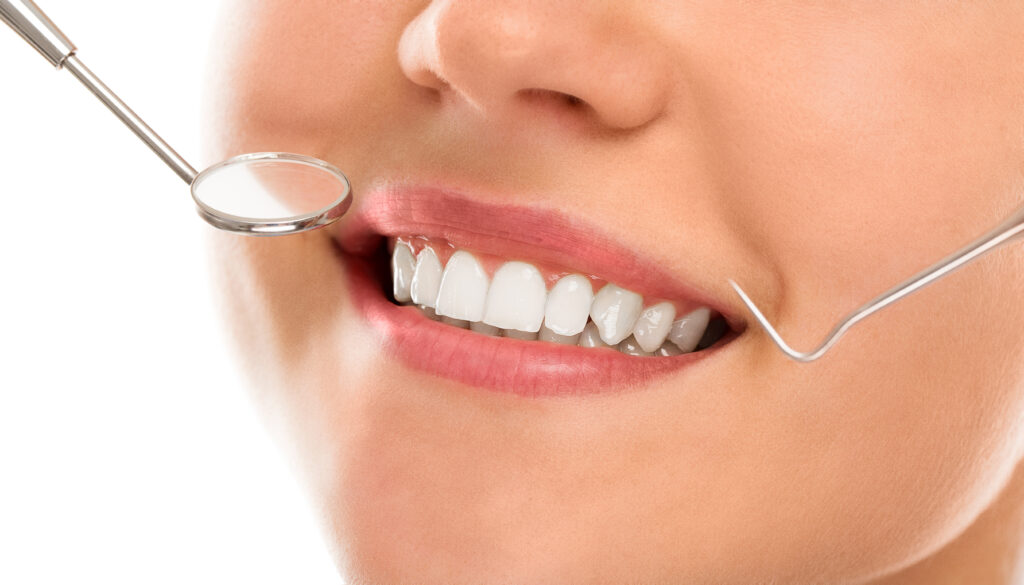
“Pediatric dentistry is an age- defined specialty that provides both primary and comprehensive preventive and therapeutic oral health care for infants and children through adolescence, including those with special health needs.”—A Definition by American Academy of Paediatric Dentistry.
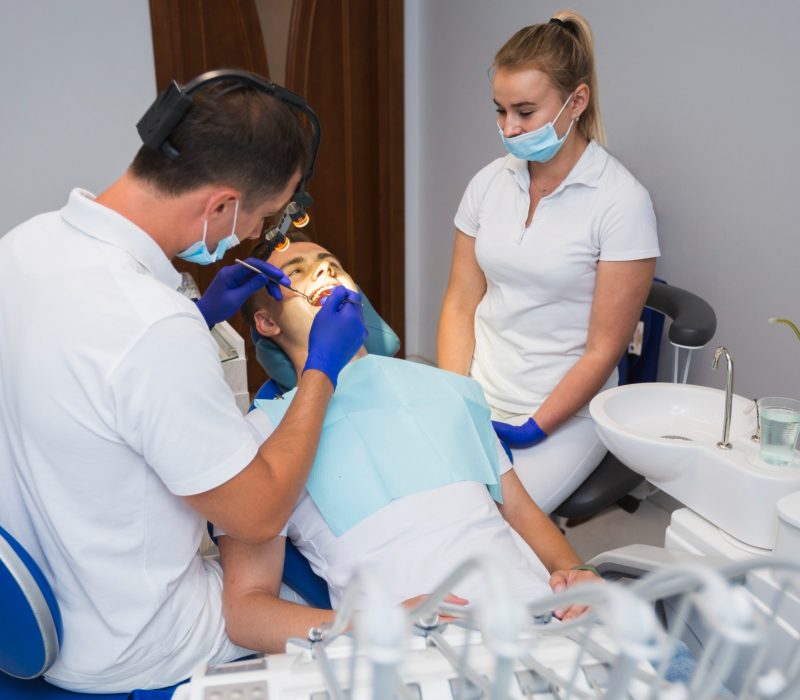
Dental Crown And Dental Bridge
Why Choose a Paediatric Dentist for Your Child?
Children require special care when it comes to their teeth. There are various aspects that one should take care of during the growth of children. A paediatric dentist takes care of all those important changes (developmental or behavioural) taking place in the child’s mouth during its formative years. Hence it becomes important for regular dental check-up for kids.
Oral health education – A dentist educates both parents and children about how to take care of teeth and gums at home to maintain oral hygiene.
Preventive measures – The dentist evaluates any signs of tooth decay, gum infection, and other dental health issues and addresses them before they become worse.
Developmental changes – Various developmental changes occur in the child’s jaw and oral cavity during the formative years and it becomes crucial to identify and assess any unusual changes taking place so that they can be treated in proper time.
Behavioural guidance – A paediatric dentist assesses various types of habits such as thumb-sucking, use of pacifier, bottle feeding, tongue thrusting, mouth breathing or nail and lip biting, etc and educates/guides the child and the parent to get rid of the unusual habits.
Orthodontic evaluation – A dentist evaluates the teeth and the jaw for any malalignment of teeth, facial asymmetry, jaw asymmetry due to genetic reasons or due to unusual habits such as finger/thumb sucking habit, tongue thrusting or mouth breathing habit. Early assessment and treatment are important to provide timely and tailored care for the proper developments of the child.
This condition occurs when infants or toddlers consume sugary drinks or sweetened milk, especially at bedtime. This type of caries occurs in the front teeth due to prolonged bottle feeding and hence it is also called as Baby Bottle tooth decay (BBTD). To prevent such condition, the parent should avoid giving sweetened drinks in the baby bottle. The parent should clean the baby’s gum after feeding and should switch to baby cup at the age of 1.

This is a severe and widespread burrowing type of tooth decay that affects multiple teeth often involves the pulp tissue. It usually happens due to high sugar intake, excessive snacking and poor oral hygiene.
2. Trauma or Injuries:
Dental injuries are quite common among children while playing sports or falling from a bicycle. In case a tooth or multiple primary teeth are broken, immediate medical intervention is mandatory to avoid further complications.
3. Malocclusion (Misaligned teeth and bite issues):
Malocclusion in children can occur due to a mix of genetic and environmental factors. Genetic factors such as inherited shape and size of the jaw and skeletal abnormalities. Environmental factors include various oral habits such as thumb-sucking, prolonged use of pacifier and tongue-thrusting. Other factors leading to malocclusion in children could be due to cleft lip and palate, premature loss of baby teeth, and chronic mouth breathing
4. Dental fluorosis due to contaminated water:
Dental fluorosis occurs due to excessive consumption of fluoride by the children during their developmental years (window period- between birth and 8years of age). This condition is a developmental enamel defect; mild cases may appear as faint white lines on the surface of the enamel, while severe cases may appear as white or yellow discoloration with enamel pitting. This problem is common in certain areas such as Rajasthan Gujarat and Andhra Pradesh, where fluoride levels in groundwater are extremely high.
5. Oral habits:
Children develop certain habits such as thumb sucking, lip biting, nail biting and mouth breathing. Prolonged thumb sucking can affect the entire dentition and jaw (deep palate and misaligned teeth). Mouth breathing could be an indication the child has enlarged adenoids. One should visit the child dentist for advice on corrective measures if needed.
6. Paediatric Gingivitis(Gum disease):
Gingivitis can also occur in children due to poor oral hygiene. Symptoms include red, swollen gums, and slight bleeding while brushing teeth. In other cases, gingivitis can develop due to misaligned or crowded teeth which makes it difficult for children to clean their teeth.
7. Teeth Grinding/Bruxism:
This habit is quite common in children, especially during. The possible causes for bruxism could be stress/anxiety, misaligned teeth, sleep apnoea, hyperactivity, etc. In most cases, children outgrow this habit, but if the habit becomes severe accompanied by snoring or sleep apnoea, the parent should consult the paediatric dentist or sleep medicine doctor.
8. Dental anxiety/ Phobia:
Dental anxiety is one of the most common problems in a dental office. It is also common problem for children and can affect the treatment procedure. This can develop due to past trauma or an associated fear from within.
Dental Treatments available for Children
1. Fluoride Treatment :
This treatment incudes varnish application on the surface of the teeth and supplements are safe and effective method to prevent the tooth decay in children. Fluoride application on the surface of the teeth makes the enamel stronger and more resistant to decay. Doctors recommend fluoride application from the age of 6 months.
2. Dental Sealants :
Dental sealants are a safe and effective way to reduce the risk of cavities on the surface of the child’s newly erupted permanent teeth. The posterior/back/molar teeth have deep crevices that are susceptible to caries. The sealant acts as a protective layer over the chewing surfaces to prevent food and bacteria from settling in deep grooves.
3. Tooth Fillings :
Various tooth fillings are available for children in India such as amalgam(silver) and glass ionomer cement. Amalgam tooth filling is durable and affordable and is not aesthetically pleasing. Glass ionomer cement is a tooth-colored filling and is great for children with high risk of tooth decay, as they release fluoride that helps in prevention of future tooth decay.
4. Pulpotomy and Pulpectomy (Root Canal for Kids) :
Tooth decay is generally treated with the help of tooth fillings, but when the infection spreads beyond the hard tissue to the soft tissue(pulp) of the tooth-pulpotomy/Pulpectomy is advised to save the tooth from further spread of infection and hence tooth loss.
Pulpotomy: When the tooth has minor infection confined to the pulp in crown portion of the tooth, hence to preserve the tooth vitality the dentist removes only the coronal pulp. Pulpotomy is less extensive than pulpectomy, has a shorter recovery time and aims to preserve as much tooth structure as possible.
Root canal treatment in kids is also called as Pulpectomy and is performed when the tooth infection has reached the root of the tooth, hence the entire pulp from the crown and root is removed, disinfected, cleaned, and sealed with filling material to protect against recurrent infection. Later the tooth is covered with crown to provide strength to the treated tooth.
5. Space Maintainers :
These devices are used to maintain the space when there is premature loss of primary or baby teeth. The space maintained prevents the shifting of the adjacent teeth to the empty space and help guide the permanent tooth erupt into proper alignment.
6. Habit-Breaking Appliances :
These appliances help in breaking/ discouraging the harmful oral habits such as thumb sucking, tongue thrusting, and lip biting. Early usage of these appliances helps in prevention of potential orthodontic issues such as overbite, open-bite and teeth misalignment. Breaking these oral habits in early stage can help in improving the dental development of jaw and the teeth, and speech and language development.
7. Tooth Extraction :
In cases of severe tooth infection or dental trauma, tooth extraction is advised.
8. Orthodontic Treatment for Kids :
The most common orthodontic treatments for kids are:
Orthodontic braces : to correct the misalignment and align the teeth.
Space maintainers : to preserve space to guide the eruption of the permanent tooth in proper alignment.
Palatal expanders : these devices are used to widen the palate in order to treat the crossbite or narrow arches.
Other appliances : Lip/cheek bumpers, head gear and removable retainers are prescribed for specific cases.
FAQ’s of Tooth Whitening :
The first visit should be by the age of 1 or when the first tooth erupts.
Primary teeth or milk teeth erupt about six months to two years of age. Number of teeth present 20. Permanent teeth or adult teeth erupt from age of 6 to age of 21. Number of teeth presents in human are 32.
Regular brushing, flossing, fluoride treatments, and limiting sugary snacks help prevent cavities.
Yes, a pulpectomy (kids’ root canal) is safe and helps save the tooth from infection.
Rinse the mouth, try to find the broken piece, and visit a paediatric emergency dentist in Bangalore immediately.
Yes, if continued beyond age 4, it can cause misalignment. A dentist can suggest ways to stop the habit.
Yes, they guide permanent teeth into position. Losing them too early can cause alignment problems.
Every 6 months for regular check-ups and preventive care.
Tooth decay occur when foods containing carbohydrates, such as milk, cake, bread, fruit juices, soda, and candy, are consumed. The bacteria in the mouth break down these foods, producing acid that harms the tooth enamel and leads to cavities or holes in the teeth.
High sugar and starch in diet, Poor oral hygiene, less salivary flow than normal, Less fluoride in drinking water, milk feeding by bottle at night, Mouth breathing, Crowding or irregular teeth (makes cleaning difficult).
White spots and light brown cavities are seen on the tooth, but as the cavity becomes deeper, it turns from brown to black. The symptoms of tooth decay can vary from child to child, and cavities don't always cause symptoms. Tooth sensitivity, especially to sweets and hot or cold drinks. Pian in and around the teeth.